Symphonies Orchestral/Wind Orchestra
Concertos Chamber Music
Vocal/Choral Keyboard Electronics
CONCERTOS
A PATCHEN CYCLE for baritone voice and orchestra
INSTRUMENTATION
1.2/Pic, 1.2/Eh, 1.2.Bscl, 1.2/Cbn; 4, 3, 3, 1; Timp+2; Hp; ST (min. 12,10,8,6,4)
DURATION
c. 22 minutes
FIRST PERFORMANCE
Premiere Performance: Michael Lampard, Baritone; Elisabeth Pridonoff, Piano
Werner Recital Hall
Cincinnati, OH, USA, September 24, 2012
RECORDING
Premiere Recording: Cody Quattlebaum, Baritone; Michael Delfìn, Piano
WVXU Studios,
Cincinnati, OH, USA, July 17, 2026
Orchestral Version currently unrecorded
PROGRAM NOTE
SCORE AND PARTS at Donemus
DARK CITY for Solo Cello, Concertino and Orchestra
INSTRUMENTATION
Concertino
Cimbalom, Prepared Piano, Orchestral Harp
Obbligato Soprano (offstage)
Orchestra
1/Pic.2/Pic, 2, 1.2/Ebcl, 1.2/Cbn; 4, 2, 3, 1; Timp+3; CELLO SOLO; ST (14,12,10,8,6)
DURATION
c. 44 minutes
FIRST PERFORMANCE (under the title Black City)
Premiere Performance: Paul York, Violoncello Solo; University of Louisville School of Music Symphony Orchestra, Kimcherie Lloyd, conductor
Comstock Concert Hall
Louisville, KY, USA, September 21, 2013
RECORDING (revised version and retitled Dark City)
Premiere Recording: Zuill Bailey, Violoncello SOLO; Royal Scottish National Orchestra, James Lowe, conductor
Glasgow Royal Concert Hall
Glasgow, SCOTLAND, July 27-29, 2025
PROGRAM NOTE
SCORE AND PARTS at Donemus
CONCERTO FOR GUITAR, ORCHESTRA AND CONCERTINO
INSTRUMENTATION
Guitar SOLO
Concertino: Pic, Ob, Bscl, Hr, PicTr, Perc(1), Hpschd
Orchestra: Perc(1), BsTrbn, Tb, ST (8,6,5,3,1)
DURATION
c. 27 minutes
PROGRAM NOTE
SCORE AND PARTS at Donemus
DRIFT for Oboe and String Orchestra
INSTRUMENTATION
Oboe SOLO
ST (min. 6,5,5,3,1)
DURATION
c. 11 minutes
FIRST PERFORMANCE
Premiere Performance: Dwight Parry, oboe; WIRED String Ensemble, Awadagin Pratt, conductor
Werner Recital Hall, Cincinnati, OH, USA
October 19, 2011
RECORDING
Vladislav Borovka, oboe, Brno Philharmonic Orchestra, Mikel Toms, conductor
June 29-30, 2015
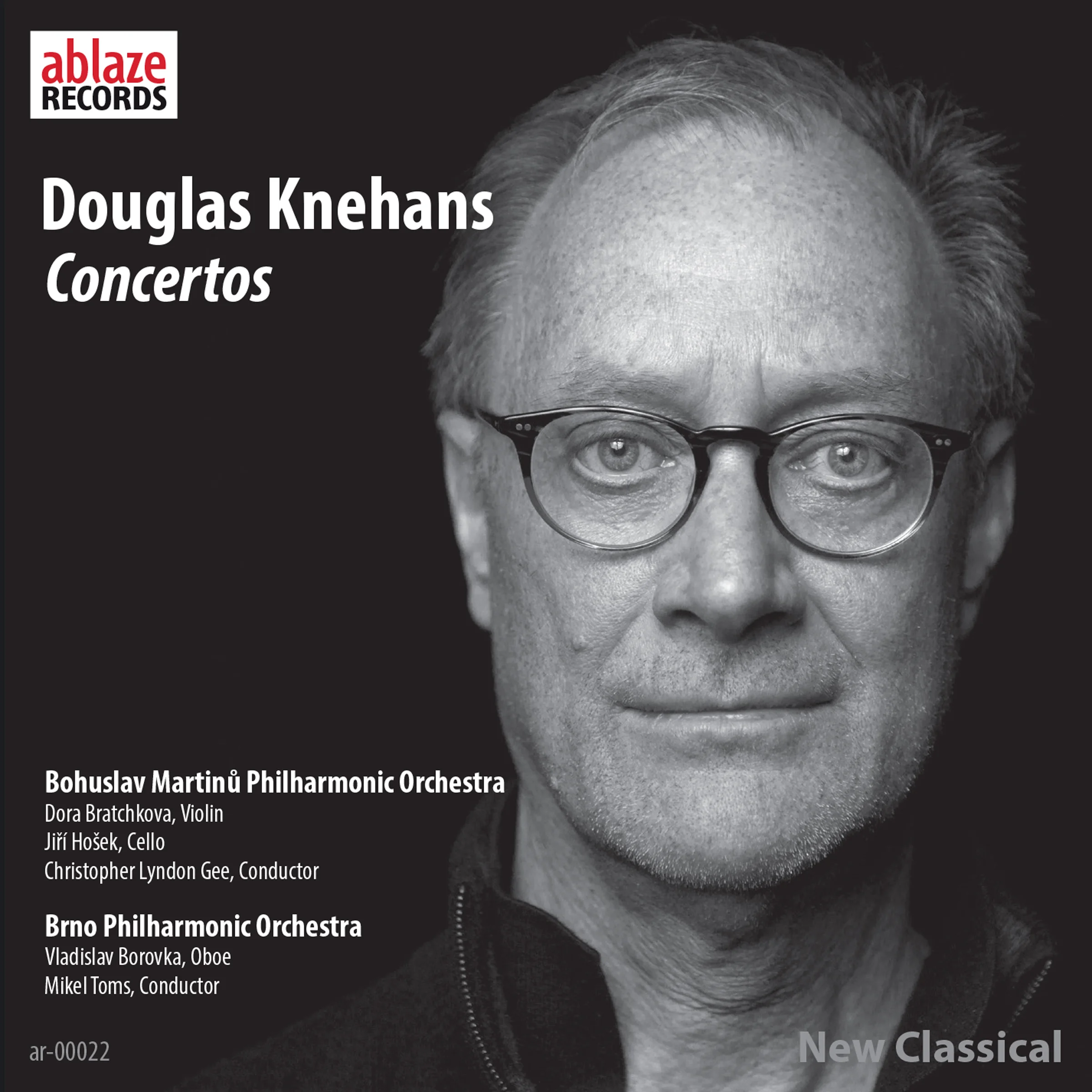
"This is music of tremendous imagination. Knehans scores with a masterly hand, his sound paintbrush unerringly hitting the mark. The orchestral writing is magnificent (and beautifully realized here). All credit to the virtuosity of the Brno Philharmonic and the expert ear of their conductor, Mikel Toms, for delivering such a razor-sharp performance. A fascinating disc."
Fanfare Magazine—Colin Clarke
FIVE ORCHESTRAL SONGS TO POEMS OF SYLVIA PLATH for Soprano and Large Orchestra
INSTRUMENTATION
Soprano SOLO
1/Pic.2/Pic.3/Pic, 1.2.Eh, 1.2/Bscl.Bscl.Ebcl, 1.2.Cbn; 4, 2, 3, 1; Timp+3; Pno/Hpschd ST (min. 12,10,8,6,4)
DURATION
c. 17 minutes
FIRST PERFORMANCE
Premiere Performance: Merlyn Quaife, Soprano; Nahama Patkin, Piano
Melbourne Lieder Society, Melbourne, VIC, AUSTRALIA
April 22, 1981
RECORDING (Ensemble Version)
Merlyn Quaife, soprano; ARIEL New Music Ensemble; Mark Summerbell, conductor
Melba Hall, University of Melbourne Conservatorium of Music
Melbourne, VIC, AUSTRALIA
November 21, 1981
HURRICANE Piano Concerto No. 2
INSTRUMENTATION
Piano SOLO
1.2/Pic, 1.2/Eh, 1.2/Ebcl, 1.2/Cbn; 4, 2, 3, 1; Timp+3; ST (min. 14,12,10,8,6)
DURATION
c. 26 minutes
PROGRAM NOTE
SCORE AND PARTS at Donemus
IN QUESTI GIORNI for Mezzosoprano and Orchestra
INSTRUMENTATION
Mezzosoprano SOLO
1.2/Pic, 2, 2, 2; 2, 1, 0, 0; Timp+1;ST (min. 12,10,8,6,4)
DURATION
c. 11 minutes
FIRST PERFORMANCE
PREMIERE PERFORMANCE: Constance Beavon, Mezzosoprano; Orchestra Sinfonica Abruzzese; Enrico Marocchini, conductor
Teatro Santa Agostino, L’Aquila, ITALY
23 May, 2005
PROGRAM NOTE
SCORE AND PARTS at Donemus
LUMINOUS SEA Concerto for Viola and Orchestra
INSTRUMENTATION
Viola SOLO
2, 2, 2, 2; 4, 1.2.Pic, 3, 1; Timp+2 ST (min 12,10,8,6,4)
DURATION
c. 29 minutes
PROGRAM NOTE
SCORE AND PARTS at Donemus
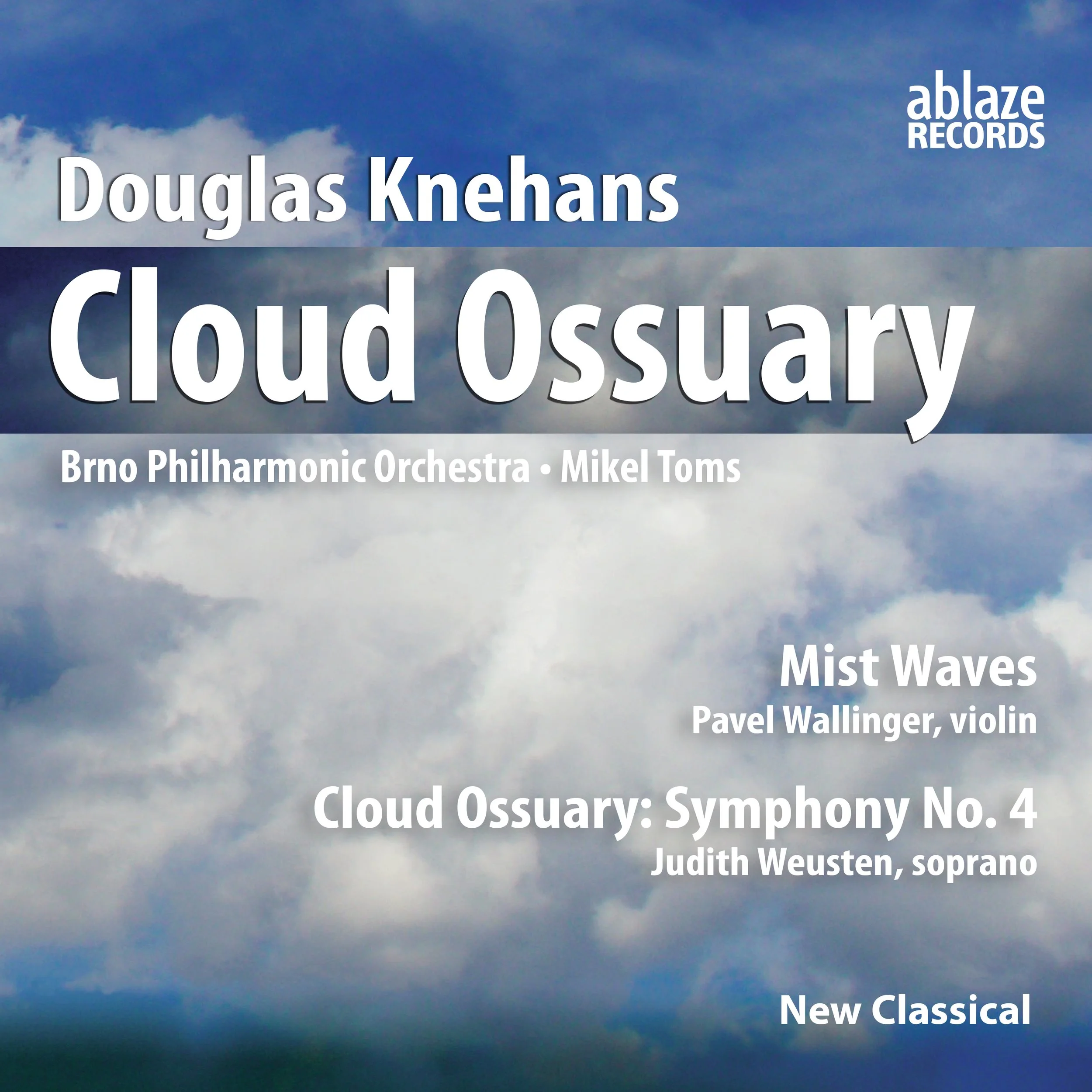
MIST WAVES for Violin and Strings
INSTRUMENTATION
Violin SOLO
ST (min 10,8,6,5,3)
DURATION
c. 7 minutes
FIRST PERFORMANCE OR RECORDING
PREMIERE RECORDING: Pavel Wallinger, violin; Brno Philharmonic Orchestra; Mikel Toms conductor
RECORDING
Besedni dům,
Brno, CZECHIA, January 9-10, 2020

MIST WAVES for Cello and Strings
INSTRUMENTATION
Cello SOLO
ST (min 10,8,6,5,3)
DURATION
c. 7 minutes
FIRST PERFORMANCE OR RECORDING
Premiere Performance: Tess Remy Schumacher, Violoncello Solo; Oklahoma Community Orchestra, Zachary Daniels, conductor
Baugh Auditorium, Oklahoma Christian University
Edmond, OK, USA, November 14, 2023
PROGRAM NOTE
SCORE AND PARTS at DONEMUS
SOAR Concerto for Violoncello and Orchestra No. 1
INSTRUMENTATION
Violoncello SOLO
Orchestra 1.2/Pic, 2, 2, 2; 2, 1, 1, 1; Timp+2; Hp; ST (min. 14,12,10,8,6)
DURATION
c. 15 minutes
FIRST PERFORMANCE OR RECORDING
Premiere Performance: Christian Wojtowicz, Violoncello Solo; Australian Summer Orchestra Institute Orchestra, Tze Law CHAN, conductor
Hobart Town Hall
Hobart, TAS, AUSTRALIA, December 4, 2006
RECORDING
Premiere Recording: Jiri Hošek, Violoncello SOLO; Bohuslav Martinů Philharmonic, Christopher Lyndon-Gee, conductor
Zlin Congress Center
Zlin, CZECHIA, June 11-15, 2011
"This is music of tremendous imagination. Knehans scores with a masterly hand, his sound paintbrush unerringly hitting the mark. The orchestral writing is magnificent (and beautifully realized here). All credit to the virtuosity of the Brno Philharmonic and the expert ear of their conductor, Mikel Toms, for delivering such a razor-sharp performance. A fascinating disc."
Fanfare Magazine—Colin Clarke
SONGS OF MUSIC for Tenor, Horn, Harp, and Strings
INSTRUMENTATION
Tenor Voice SOLO
Orchestra Horn; Hp; ST (min. 8,6,5,4,2)
DURATION
c. 27 minutes
FIRST PERFORMANCE OR RECORDING
Premiere Performance: Joshua Knehans, Tenor; Zach Dechance, piano
Memorial Room, Smith Memorial Hall, School of Music, University of Illinois
Urbana-Champaign, IL, USA, April 25, 2026
RECORDING
PROGRAM NOTE
SCORE AND PARTS at Donemus
STORM DRIFT Concerto for Piano and Strings, No. 1
INSTRUMENTATION
Piano SOLO
ST (min. 8,6,5,4,2)
DURATION
c. 15 minutes
FIRST PERFORMANCE OR RECORDING
Premiere Performance: Vivian Fang LIU, piano; University of Central Oklahoma Chamber Orchestra;
Radke Fine Arts Theatre, University of Central Oklahoma
Edmond, OK, USA, November 19, 2024
RECORDING
Premiere Recording: Vivian Fang LIU, piano; Brno Philharmonic; Mikel Toms, conductor
Besedni dům,
Brno, CZECHIA, January 9-13, 2025
PROGRAM NOTE
SCORE AND PARTS at Donemus
TEMPEST Concerto for Flute and Orchestra
INSTRUMENTATION
Flute SOLO
Orchestra 1.2/Pic, 1.Eh, 1.Bscl, 1.Cbn; 2, 1, 2, 1; Timp+2; Hp; ST (min. 14,12,10,8,6)
DURATION
c. 20 minutes
FIRST PERFORMANCE
Premiere Opportunity
RECORDING
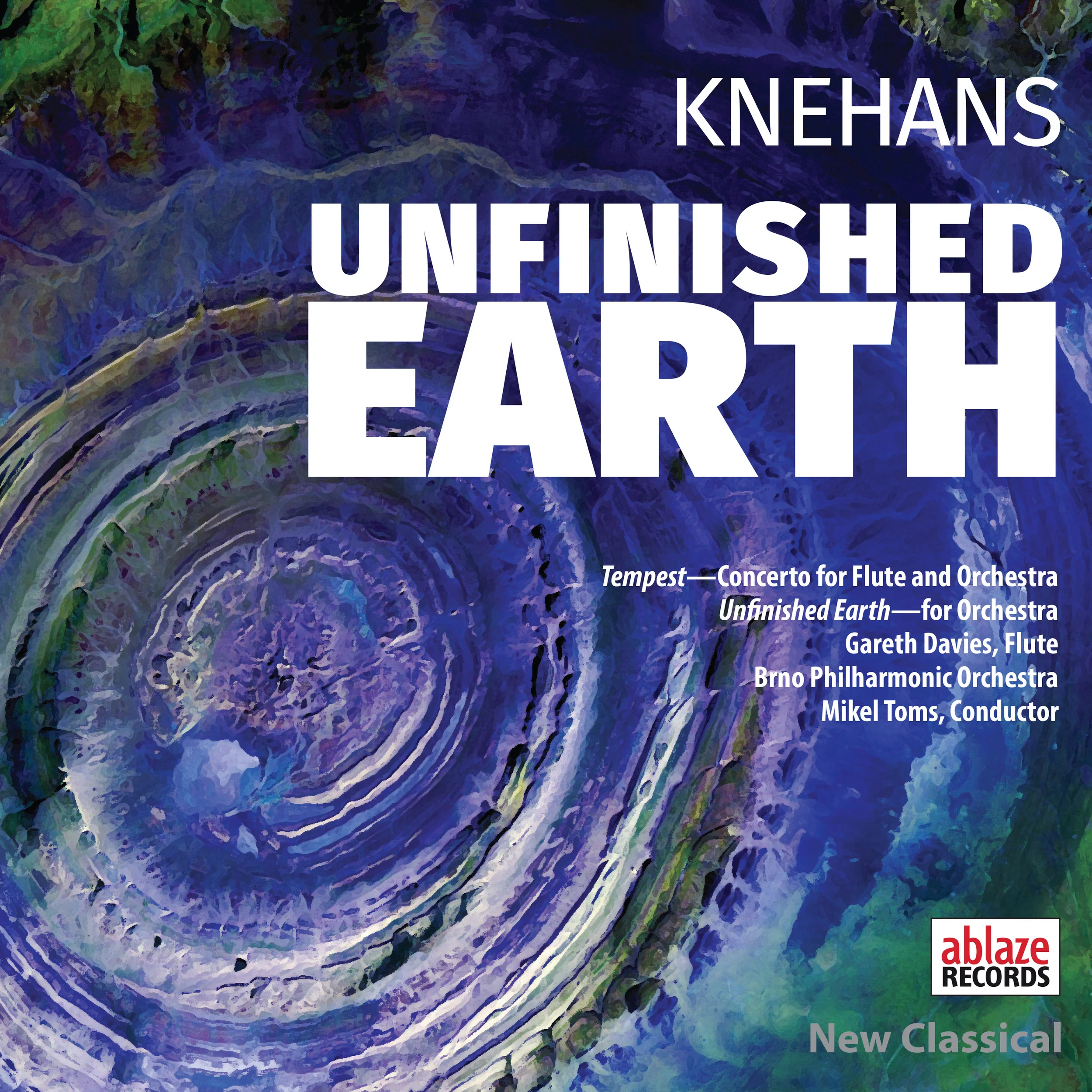
Premiere Recording: Gareth Davies, Flute SOLO; Brno Philharmonic; Mikel Toms, conductor
Besedni dům, May 17-22, 2018
Brno, CZECHIA
"…the sounds of nature course through the orchestral pieces…with a primitive force and melodic insistence that recall Stravinsky."
—The New Yorker
"…wonderfully orchestrated… dynamic and endlessly evolving…"
—BBC Music Magazine